
Composting for Beginners (No Bin Required): Easy, Low-Cost Ways to Start at Home
🪴 1. Dry & Reuse Plant Clippings (DIY Fertilizer)
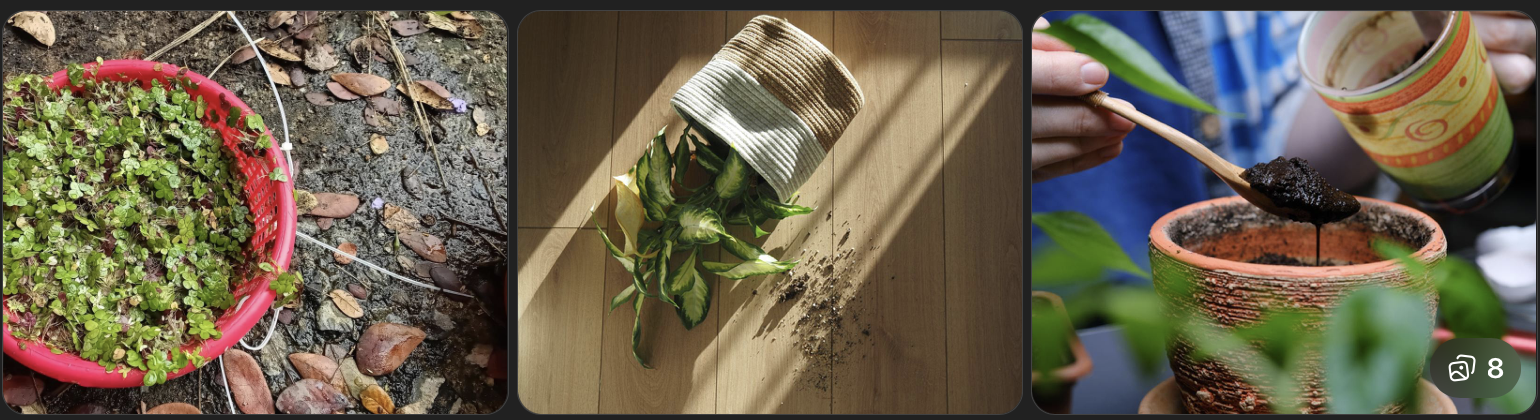
Instead of tossing pruned leaves or dead plant matter, let them dry out completely on a tray or paper towel for a few days. Once crisp, crush them into small pieces and mix directly into your soil.
Why it works: Dried plant matter slowly breaks down and returns nutrients like nitrogen and potassium back into the soil.
Sustainability Benefit: Reduces organic waste sent to landfills while creating a free, natural fertilizer at home.
🍌 2. Kitchen Scrap “Soil Boost” (Direct Composting)
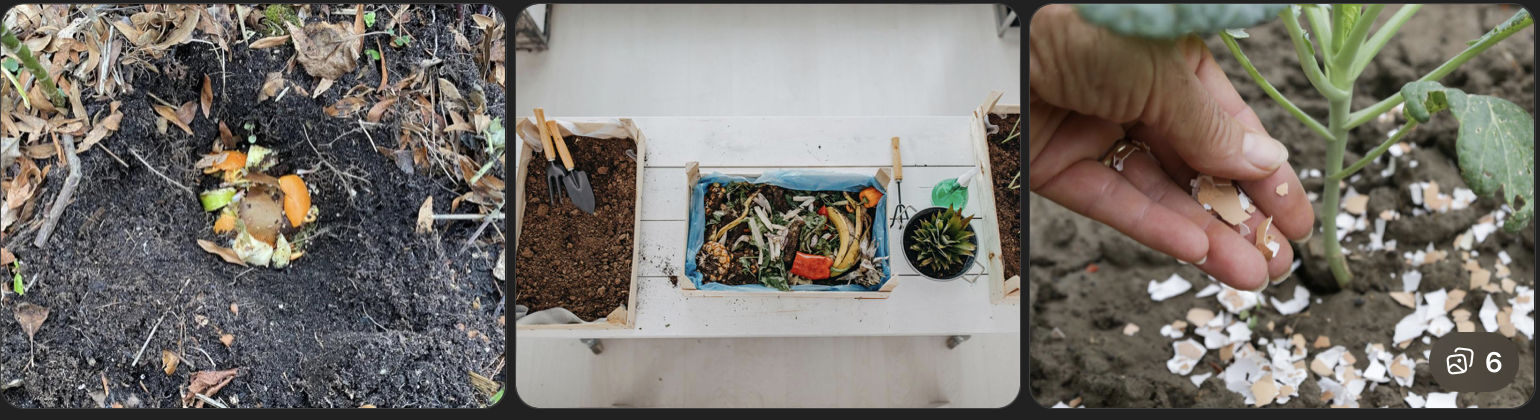
Chop up small amounts of fruit and veggie scraps (like banana peels, eggshells, or veggie ends) and bury them directly into the soil of outdoor plants or large pots.
Pro Tip: Keep scraps small and buried deep to avoid pests.
Sustainability Benefit: Diverts food waste from landfills and reduces methane emissions from decomposing organic matter.
☕ 3. Reuse Coffee Grounds & Tea Leaves
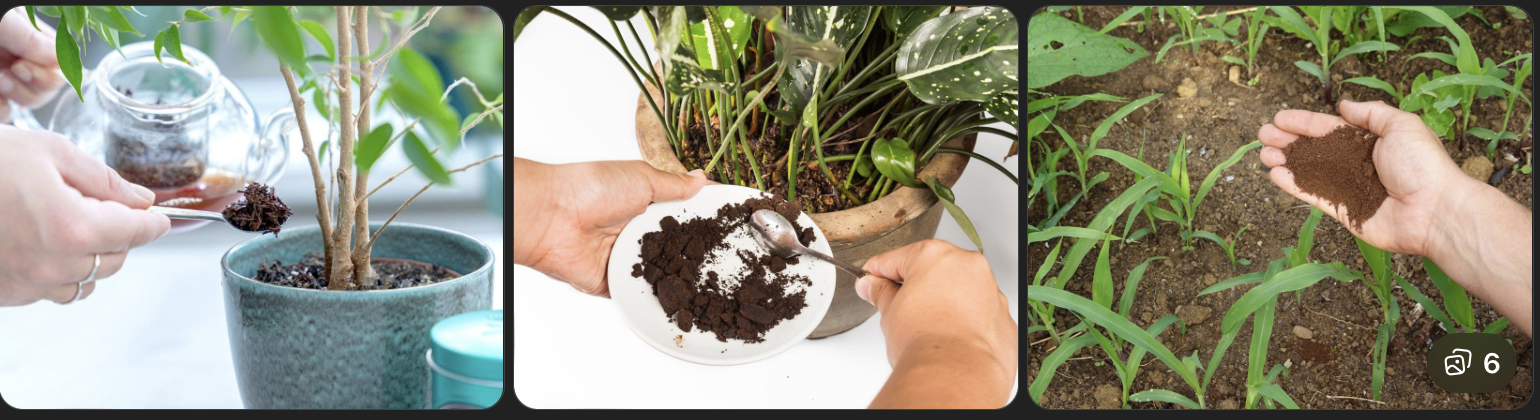
Used coffee grounds and tea leaves are rich in nutrients. Sprinkle a thin layer into your soil or mix them in lightly.
Best for: Plants that enjoy slightly acidic soil (like pothos, ferns, and peace lilies).
Sustainability Benefit: Repurposes daily waste into plant nutrients, reducing reliance on store-bought fertilizers.
🧺 4. Freeze & Save Scraps (Compost Later)
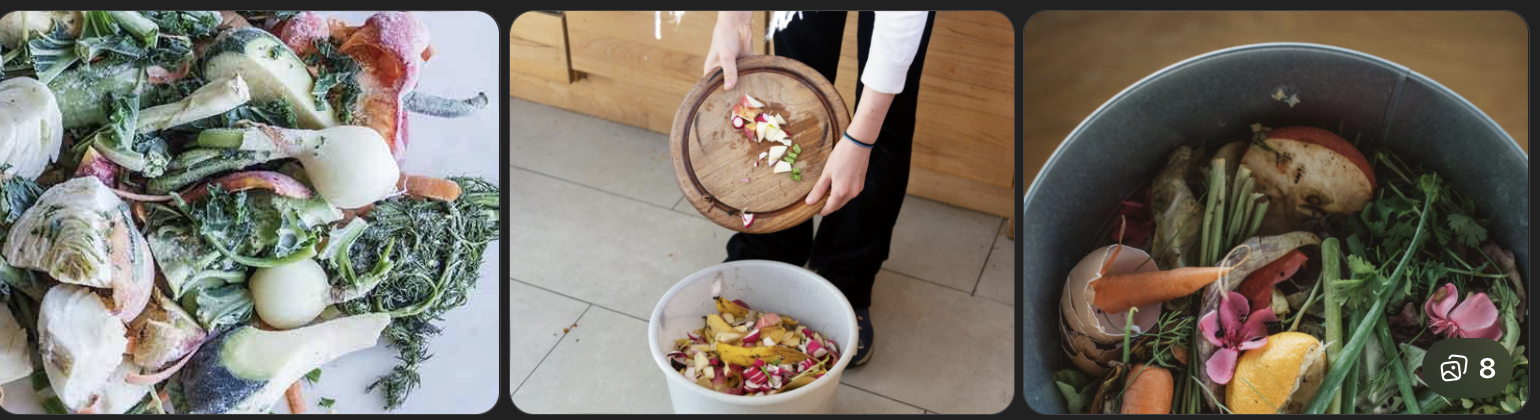
Not ready to compost right away? Store scraps in a sealed container or bag in your freezer until you’re ready to use them.
Why this helps: Prevents odors and extends usability of scraps.
Sustainability Benefit: Encourages consistent composting habits and reduces food waste over time.
🌱 5. Create a “Mini Compost Layer” in Pots
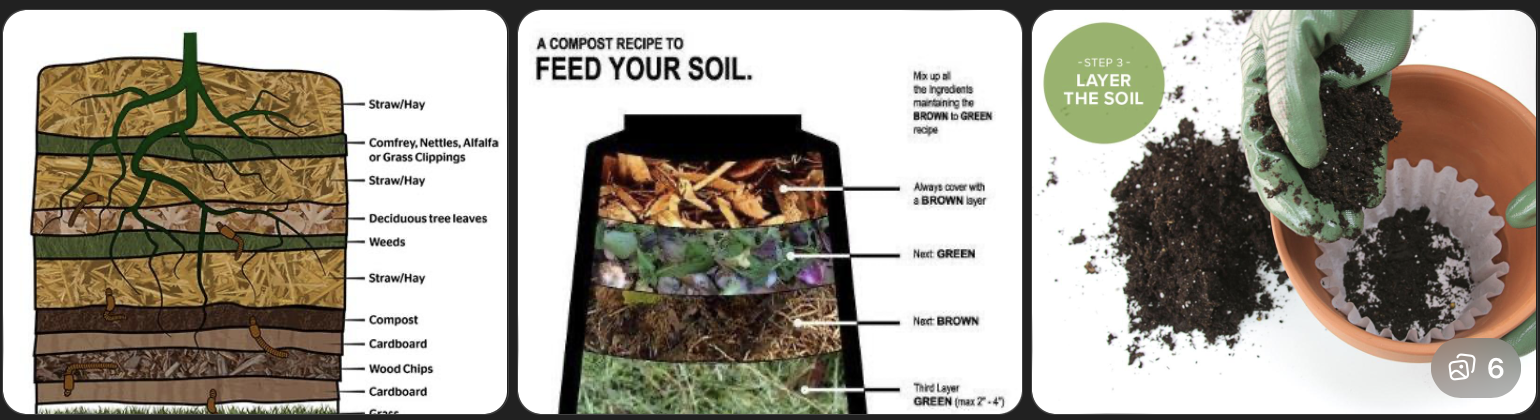
When repotting, add a thin layer of organic material (dried leaves, crushed eggshells, or small scraps) beneath the top layer of soil.
Think of it as: A slow-release nutrient layer.
Sustainability Benefit: Builds healthier soil over time and reduces the need for synthetic fertilizers.
🍂 6. Use Cardboard & Paper as Brown Material
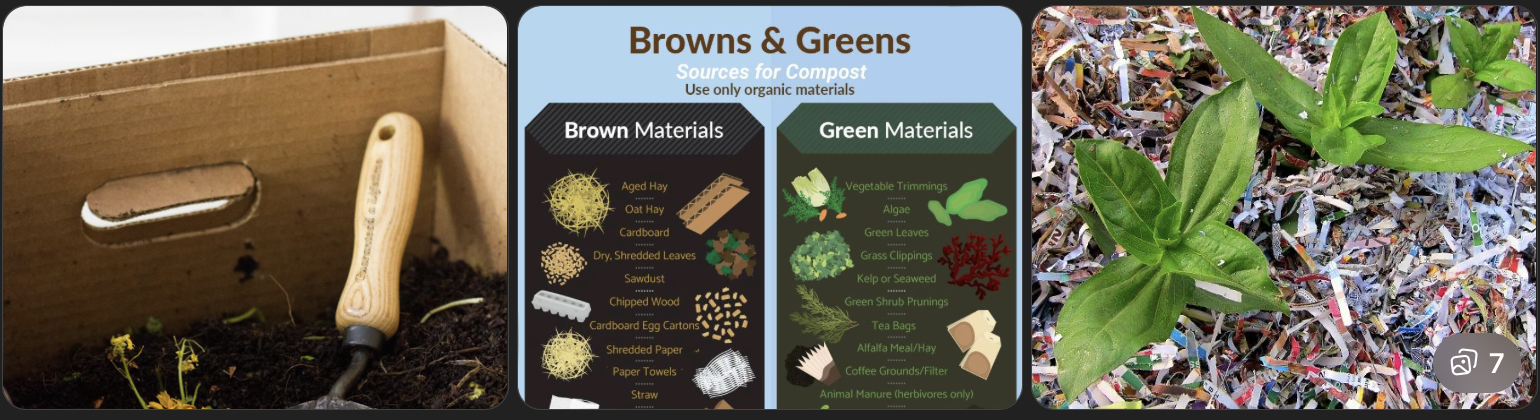
Shred plain cardboard or paper (no ink or gloss) and mix it into soil or compost layers to balance moisture and carbon.
Why it matters: Compost needs both “greens” (food scraps) and “browns” (dry materials) to break down properly.
Sustainability Benefit: Reuses packaging waste and reduces household trash output.
🌍 Final Thoughts: Start Small, Stay Consistent
Composting at home doesn’t have to be complicated. Even the smallest effort—like drying your plant clippings or reusing coffee grounds—makes a meaningful impact. Over time, these habits not only nourish your plants but also contribute to a more sustainable, low-waste lifestyle.
If you’re already caring for plants, you’re halfway there. 🌿
Now you’re just closing the loop.
